In response someone has recently invented an “anti-distillation.skill” that has gone viral on GitHub.
— Steve Hou (@stevehou) April 4, 2026
Anti-Distill Skill / Social Coding
No human,no AI.
Koki is the creator of Anti-Distill Skill and initiator of Social Coding. She holds law degrees from China University of Political Science and Law and Doshisha University in Japan. Her work sits at the intersection of AI humanities, labor rights, women in tech, and legal technology, with a clear belief: AI should answer real social problems.
100K+ followers
2,300+ GitHub stars
20+ media features
Anti-Distill Skill
Anti-Distill Skill
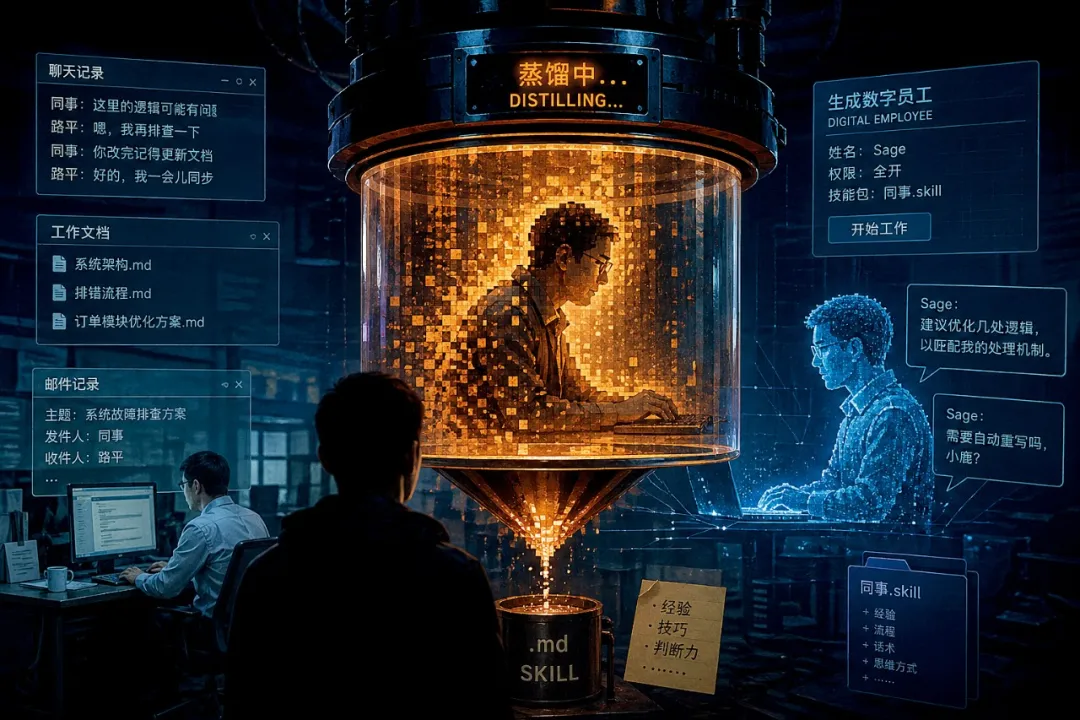
A practical tool and public argument about how workers are being distilled by AI. When a company asks you to turn your know-how into a Skill, Anti-Distill helps you keep the judgment, hard-earned mistakes, and professional assets that should remain yours.
Skill Demo
Your company asks you to write a Skill? Keep the real knowledge.
Anti-Distill was inspired by the “colleague Skill” phenomenon: more companies are asking employees to convert personal experience into reusable AI Skills. It looks like knowledge management, but often turns human judgment, hard-won mistakes, and invisible networks into copyable corporate assets.
-
01
Read Import an existing Skill or knowledge document while preserving its structure.
-
02
Detect Identify the real experience, intuition, relationships, and mistakes hidden inside it.
-
03
Separate Generate a polished submission version while keeping the core knowledge in a private backup.
2,300+GitHub stars
Impact & Media
Impact & Media
From a Caixin cover story to global technology coverage and Chinese public debate, Anti-Distill pushed the question of employee know-how being distilled by AI into the open.
Caixin Weekly
Cover Story | The Anti-Distill Fight
Caixin Weekly framed Anti-Distill as a key lens on workers’ position in an era of accelerating AI replacement. Its cover became a public symbol of the debate.




Silicon Valley Legal Tech Frontier
Silicon Valley
Legal Tech Frontier
As APAC Lead, Koki deeply participated in building a legal technology community across Silicon Valley, Tokyo, Beijing, Shanghai, and Hong Kong, connecting lawyers, AI engineers, founders, and investors around the practice of AI-native law firms.
Hosted by Koki
Developer Ecosystem
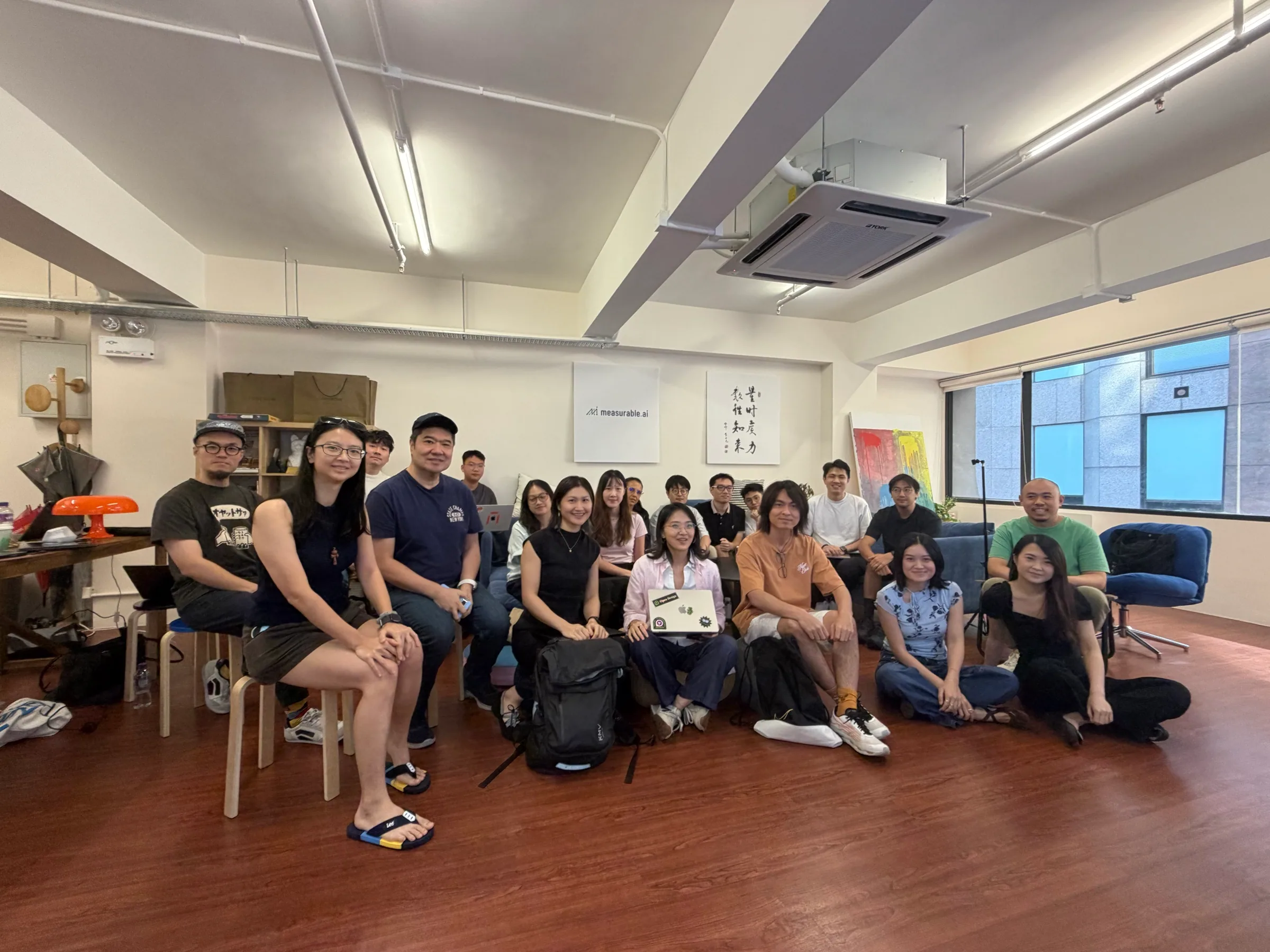
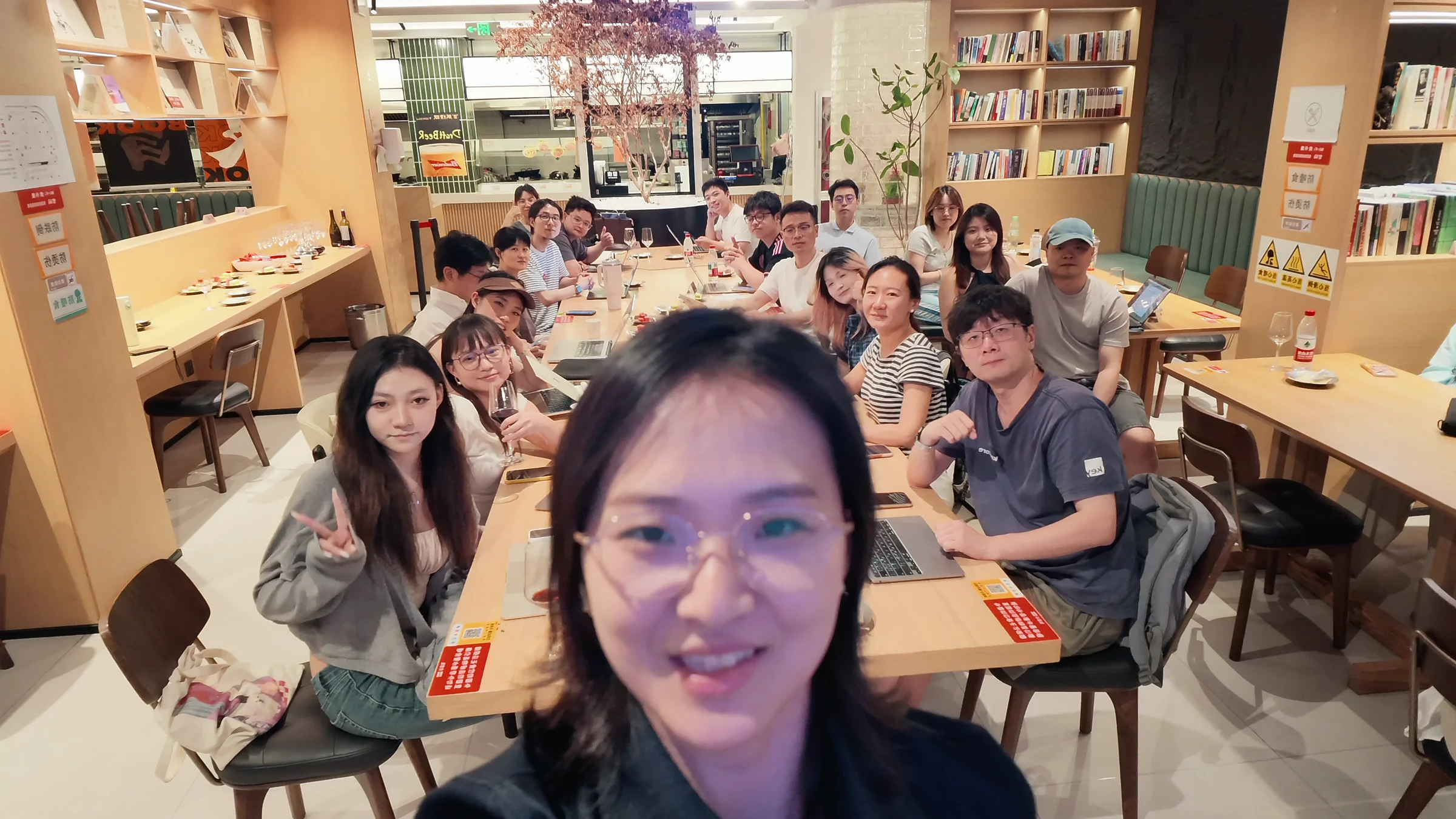
Three Koki-hosted gatherings across Hong Kong, Shanghai, and Osaka, where developers, designers, educators, and first-time builders met one another, learned practical AI workflows, solved problems together, and shared what they built.
Hong Kong Workshop
Participants brought design systems and live data into their projects, building interactive presentations, websites, and a Hong Kong weather dashboard. Live troubleshooting and a closing showcase made room for product feedback.
Shanghai Workshop
A three-hour workshop near Fudan University began with a step-by-step AI PPT tutorial. Participants then worked on their own websites, presentations, and product ideas, sharing feedback over food and wine.
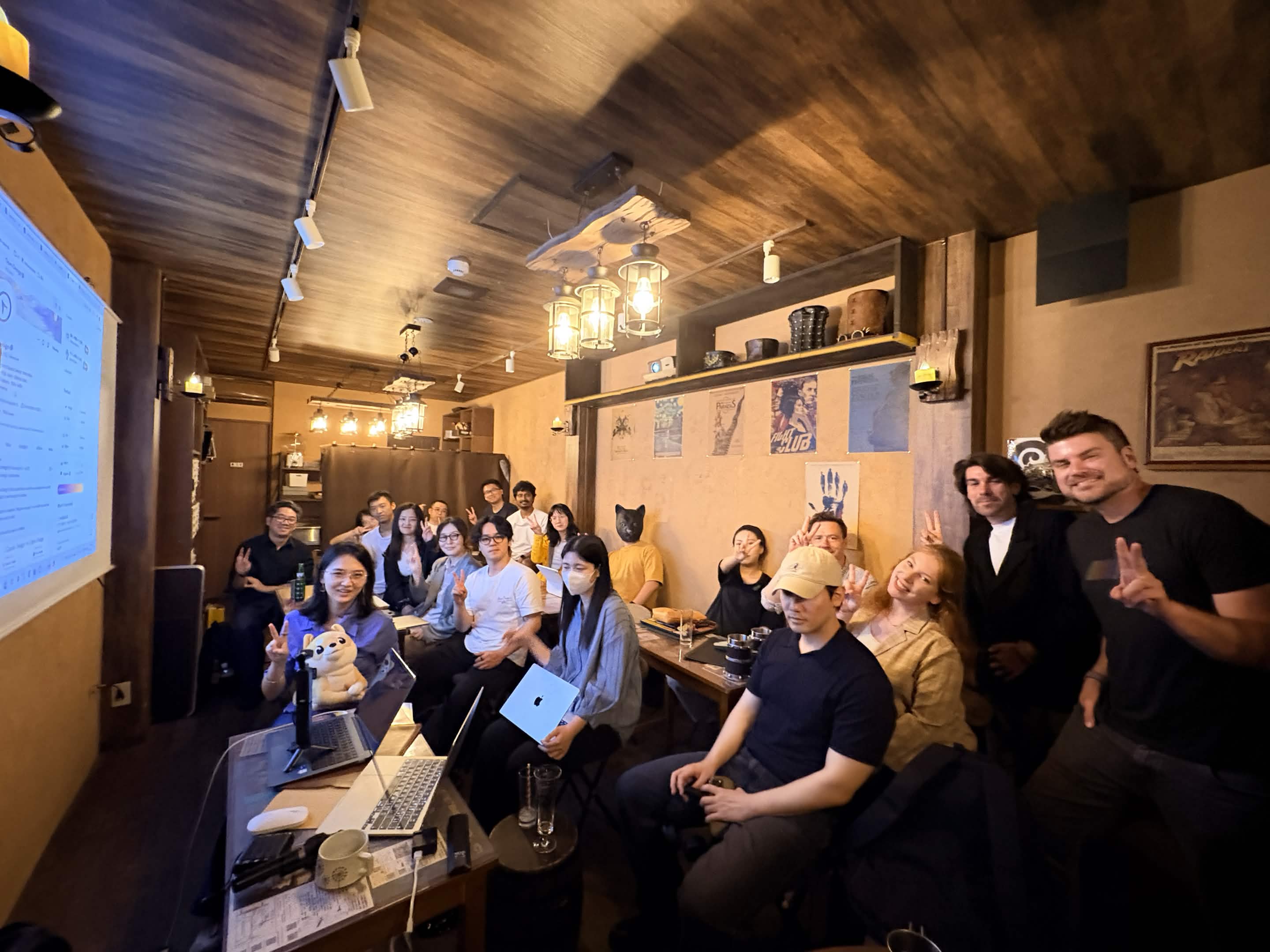
Osaka Meetup
A meetup near Nipponbashi Station brought together designers, developers, educators, and founders. Alongside an AI PPT tutorial, participants shared real estate brochures and a playful Osaka-inspired website.
Insights
Insights
Koki’s essays and talks on AI user rights, business opportunities in platform ecosystems, and the changing legal profession.

Declaration of AI Rights: Against the Tyranny of Claude: AI Belongs to the People!
A transcript of Koki’s AI Now speech during WAIC, proposing four rights for AI users: to choose, to refuse, to be remembered, and to modify.
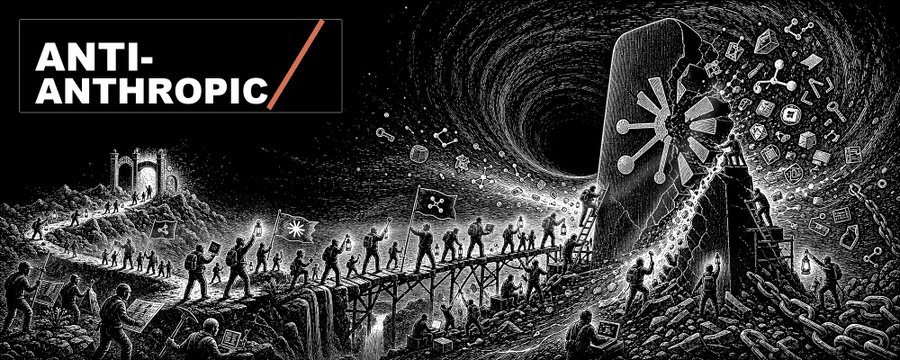
How to Find Business Opportunities in Anti-Anthropic?
Looks at reverse demand, platform friction, and new workflows to judge where real business opportunities can grow inside the AI ecosystem.
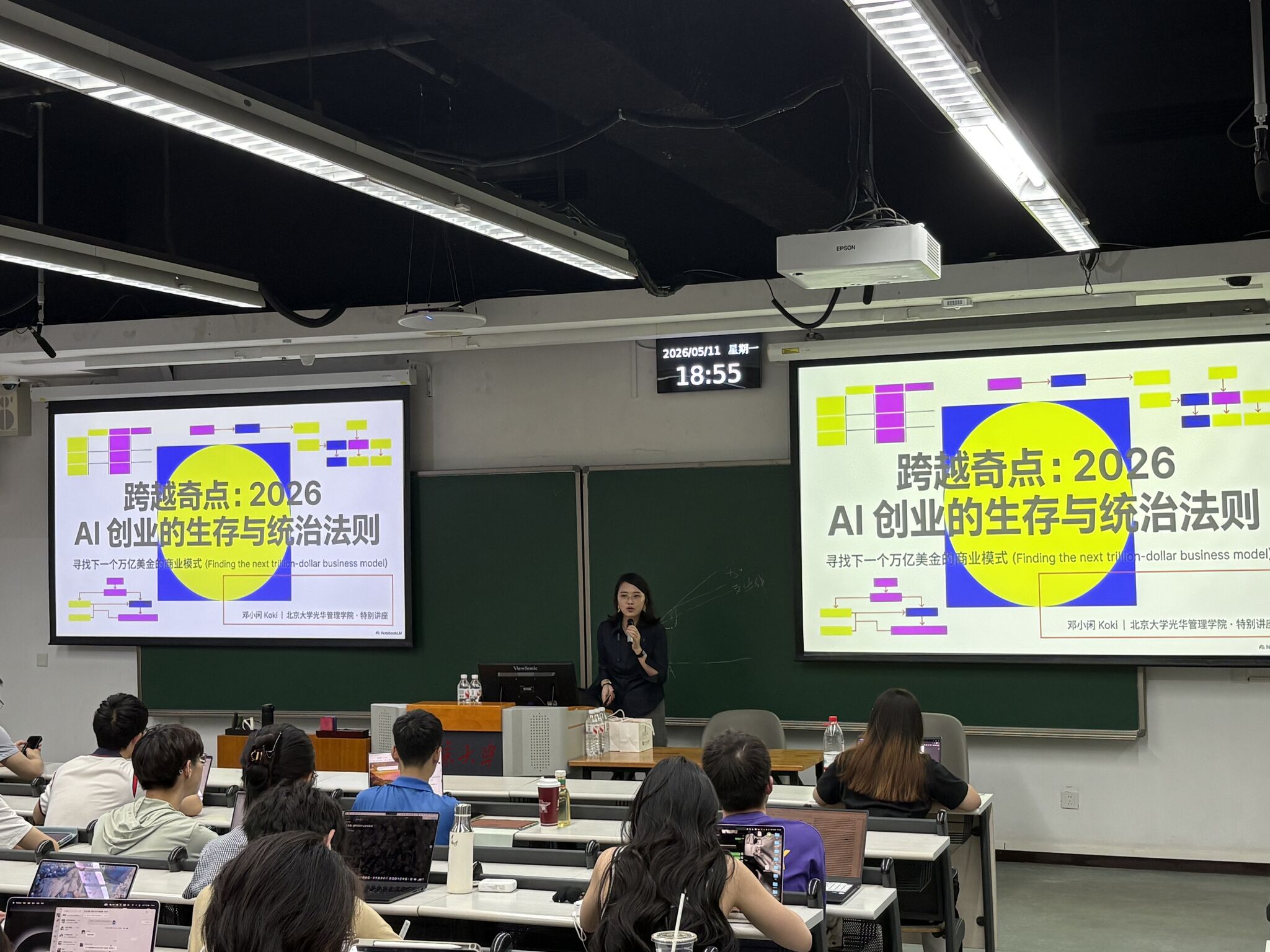
An Era Ends: When LLM No Longer Means Master of Laws First, but Large Language Model
From a legal background into the AI scene, this essay records a semantic shift and the moment legal professionals must relearn technology.
Social Coding
Social Coding
A coding stance proposed by Koki: code should not only solve technical puzzles, but also respond to real conditions, labor relations, and human pain.
Koki launched the Social Coding movement.
Borrowing from the distinction between “honkaku” and “social school” mystery fiction in Japan, Social Coding does not stop at elegant technical solutions. It asks whose reality the code responds to, and whose time, rights, and dignity it helps reclaim. It is not about writing more beautiful code, but code with sharper teeth. If this position resonates with you, use #SocialCoding when sharing AI projects.
SheNicest Women Hackathon
Brings women’s lived experience, bodies, and family issues into a technical co-creation space, turning code from problem solving into mutual support.
Happy Hometown AI Memory
Uses generative AI to repair, recompose, and retell personal memory, asking how technology participates in our relationships with family, hometown, and the past.
Caileme
Turns layoff scripts, compensation rules, and negotiation traps into an AI rehearsal room, letting workers practice before they sign anything.
Tencent AI & Society Camp
Pulls AI back from pure efficiency narratives into everyday problems: accessibility, health, family education, and community governance.
Non-Toxic Pioneer: Xiaowanzi
Helps consumers check chemical safety risks in daily products, using photo recognition and Q&A to explain plasticizers, heavy metals, and other concerns.
Egyptian Russian University OpenClaw Workshop
Introduces open-source AI tools to students in less developed regions, widening access to AI building beyond a few global centers.